In today’s competitive business environment, managing cash flow is one of the biggest challenges for companies of all sizes, especially MSMEs (Micro, Small, and Medium Enterprises). Customers often demand longer payment terms, while suppliers need quicker access to funds to keep their operations running. This mismatch can create liquidity stress, disrupt operations, and slow down growth.
This is where Supply Chain Financing (SCF) steps in as a powerful financial solution. It allows businesses to optimize working capital, strengthen supplier relationships, and maintain a healthy supply chain. In this article, we will understand what supply chain financing is, how it works, its key features, and why it is increasingly important in the modern economy.
What is Supply Chain Financing?
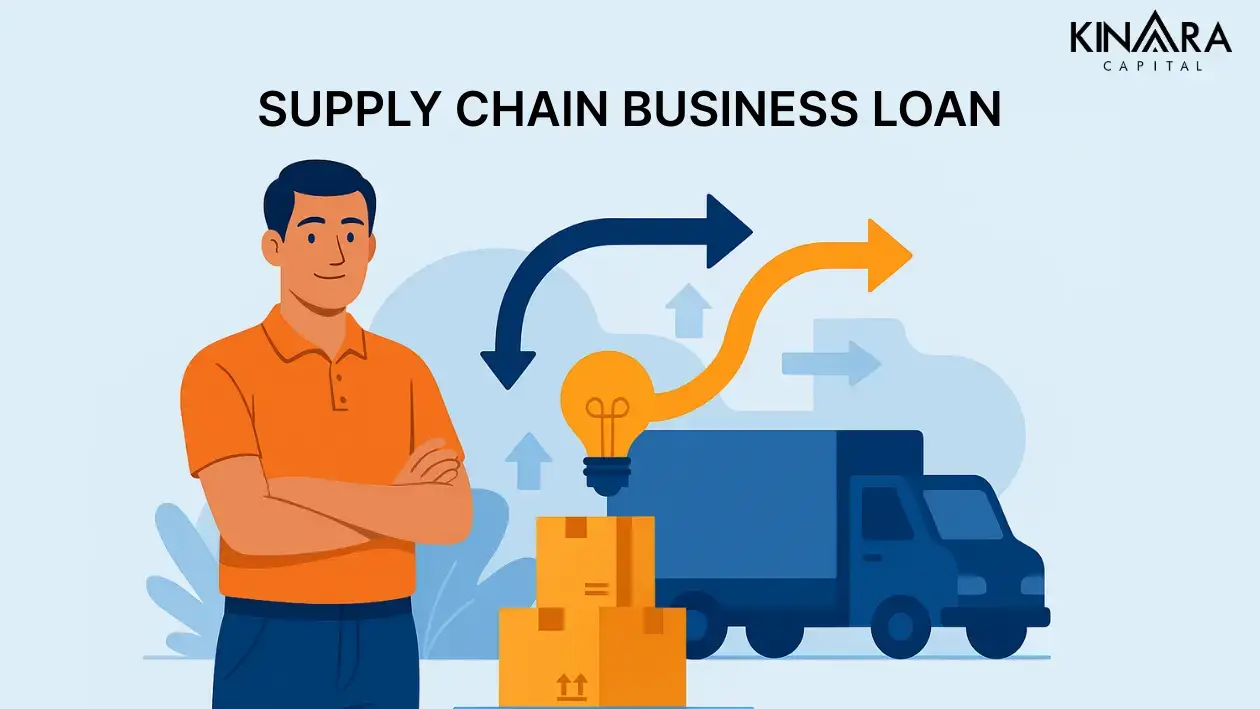
Supply Chain Financing (also called reverse factoring) is a financing solution that helps MSMEs receive early payment on their invoices while allowing buyers to pay later.
Example: A small manufacturer supplies goods to a large retail chain. The buyer takes 60–90 days to clear payments, but the MSME needs funds immediately for raw materials, salaries, and day-to-day operations. Through Supply Chain Financing, a financing partner pays the MSME early (after a small discount/fee), and collects the payment from the buyer on the due date. This ensures both parties benefit without straining cash flow.
How Does Supply Chain Financing Work?
- Buyer Approval: Buyer validates the invoice and agrees to pay on the due date.
- Early Payment: Financier (bank/NBFC/fintech) pays the MSME supplier early, deducting a small discount/fee.
- Buyer Settlement: Buyer pays the financier later on the agreed date.
Result: MSMEs get working capital faster. Buyers enjoy extended credit periods without impacting supplier relationships.
The Role of Anchor Companies in Supply Chain Financing
Many MSMEs are part of larger supply chains led by anchor companies — large corporates, OEMs, e-commerce platforms, or FMCG brands.
- Manufacturing Anchors: OEMs (automobile, electronics) sourcing components from MSMEs.
- Retail Anchors: FMCG giants, Amazon, Flipkart, Meesho driving orders for distributors/retailers.
- Agri Anchors: Food processors and exporters sourcing from farmer-producer MSMEs.
- Service Anchors: Corporates outsourcing logistics, facility management, IT services to MSMEs.
Where anchors go, MSMEs follow — and where MSMEs follow, financing opportunities emerge.
Grow your MSME with collateral-free business loans
Anchor-Driven Financing Models for MSMEs
- Reverse Factoring: MSMEs get finance based on anchor credit rating rather than their own. This means cheaper, faster loans with no collateral.
- Invoice Discounting & Embedded Credit: MSMEs can get instant credit on invoices raised to anchors like Amazon, Flipkart, FMCG brands, OEMs, reducing payment cycle delays from 60–90 days to just a few hours.
- Distributor & Retailer Financing: FMCG distributors and retailers can get working capital linked to order history and sales performance — ensuring shelves stay stocked during peak demand.
Key Features of Supply Chain Financing
- Timely Access to Funds – MSMEs get cash immediately instead of waiting 30–90 days.
- Buyer-Centric Model – Financing is based on the buyer’s credibility, not just MSME’s credit score.
- Digital & Easy – Fintech platforms allow quick onboarding, real-time tracking, and same-day disbursals.
- Cost-Effective – Lower interest rates than traditional loans, thanks to anchor’s strong credit rating.
- Optional Flexibility – MSMEs can choose which invoices to discount, depending on their cash flow needs.
Benefits of Supply Chain Financing for MSMEs
- Faster Liquidity: Immediate access to working capital for raw materials, salaries, and production.
- Take Larger Orders: Ability to fulfill big festive orders from anchors like Flipkart, Amazon, or FMCG brands without worrying about payment delays.
- Build Stronger Relationships: Anchors trust MSMEs with larger contracts when they know suppliers have access to reliable finance.
- Lower Cost of Capital: Financing tied to anchor reduces interest rates and collateral requirements.
- Business Growth: Steady cash flow enables MSMEs to scale operations, expand distribution, and explore new markets.
Policy Support & Ecosystem
Government initiatives such as TReDS platforms, GST-linked credit scoring, and Account Aggregator frameworks are making anchor-linked finance more transparent and accessible. This ecosystem-led approach ensures MSMEs can access credit easily, at scale, and at affordable rates — making supply chain finance a key driver for India’s MSME growth story.
Conclusion
Supply Chain Financing is more than a funding tool — it’s a strategic growth enabler for MSMEs. By connecting MSMEs, anchor companies, financiers, and digital platforms, Supply Chain Financing creates a win-win ecosystem where suppliers get paid faster, buyers secure reliable supply, and lenders reduce risk. At Kinara Capital, we offer flexible Supply Chain Financing solutions with quick approvals and bullet repayments to help MSMEs
FAQ
1. Is Supply Chain Financing the same as traditional business loans?
No. Unlike traditional loans, Supply Chain Financing is linked to trade transactions. It provides financing against invoices, making it more flexible and transaction-specific.
2. Do MSMEs need collateral to access Supply Chain Financing?
To avail a Supply Chain Financing MSMEs need not provide collateral. Instead of collateral, MSMEs need to have a valid invoice or purchase order approved or confirmed by a credible buyer, an existing commercial relationship with a buyer who has a strong credit profile. In certain cases, some of the financiers may mandate a minimum business vintage or operational history to consider for Supply Chain Financing support.
3. Can Supply Chain Financing work for international trade?
Yes. SCF is widely used in cross-border trade to support exporters and importers. It helps MSMEs manage longer payment cycles and currency-related risks in global supply chains.
4. How can MSMEs decide if Supply Chain Financing is right for them?
MSMEs should assess their cash flow cycles and credit terms. If they face long payment delays from customers, SCF can be a practical solution.
About the Author